Mine Technical Specifications
- Definitive reserve of the license
- 13,248,391 tons
- Type of mineral substance
- Non-placer magnetite
Geographical Location:
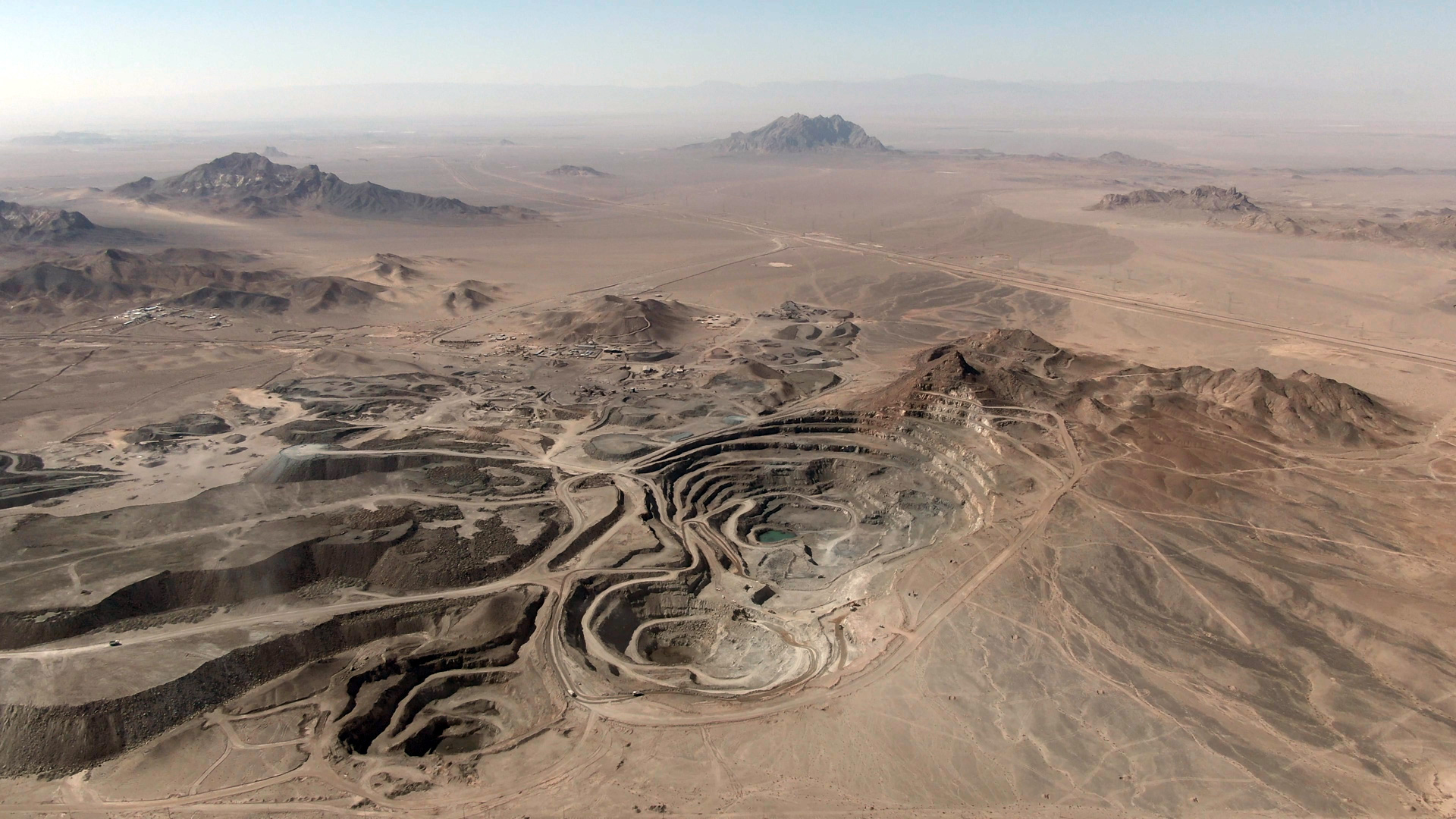
The Mishdovan iron deposit is located 17 km north of the Choghart mine, at geographical coordinates 31°50′48″ N and 55°31′12″ E. According to the 1:50,000 topographic map of the Army Geographical Organization, this deposit lies on map sheet 7153 (IV).
The average elevation of the deposit above sea level is about 1,360 m, and it is bounded by the highlands on the margins of the Bafq basin. The climate of the region is desert and arid, with hot summers and cold winters.
Climatic and Atmospheric Conditions:
In general, because this area lies between the Central Desert and the Lut Desert, it is affected by an arid and desert climate.
In summer, the temperature reaches a maximum of +45 °C, and in winter a minimum of −10 °C. Annual precipitation is irregular and low, with a maximum of 50–100 mm, mostly occurring in winter and early spring. The wind direction is mostly from the southeast toward the northwest, which has generally formed sand dunes.
Access Roads:
Access to the studied deposit is via the (asphalt) road Bafq–Behabad, the Seh Chahoon mine junction, and the 30 km private road of the Mishdovan iron mine.
In addition to road access, the nearest railway station to the Mishdovan iron deposit is the Bafq–Mashhad railway station, 17 km from the mine.
Water and Power Supply Network:
The required water is supplied by tanker transport from Bafq, and electricity is transmitted to the Mishdovan iron deposit area through the 20 kV Choghart–Seh Chahoon line.
Human and Economic Characteristics:
The nearest county to the Mishdovan anomaly is Bafq County, located 27 km south of it and 110 km southeast of Yazd.
Given the proximity of Bafq County and the availability of suitable welfare and residential facilities, the supply of specialized and semi-skilled manpower, as well as labor forces, is easily possible.
Type and Volume of Exploration Operations Carried Out:
Systematic exploration began in 1968 by the Soviet Tekhnoexport company, with airborne magnetometric surveying of the Bafq–Saghand area at scales of 1:50,000 and 1:200,000, and for some areas with greater precision at a scale of 1:10,000. The total area surveyed was 18,100 km², and the area of the more detailed surveys was about 882 km². In 1969, in order to study the identified anomalies, 4 boreholes were drilled in the central and eastern parts of the Mishdovan ore body. Also, 12 trenches were dug in this deposit in 1978, of which information exists for only three trenches in the western body. Detailed exploration operations at the Mishdovan iron deposit began in 1382 (2003) with the preparation of a 1:2500 geological map covering 36 hectares and the drilling of four boreholes on the western body by the Exploration Unit of the Central Iron Ore Company (Bafq).
The continuation of detailed exploration operations of the Mishdovan anomaly was carried out in mid-1383 (2004) by the Exploration Affairs of the Iranian Mineral Production and Supply Company as the client and the Ma'dankav Consulting Engineers Company. Supplementary exploration operations at the Mishdovan mine were carried out in early 1388 (2009) by the Exploration Affairs of the Iranian Mineral Production and Supply Company as the client and the ITOK Consulting Engineers Company.
Mishdovan Mine Reserve:
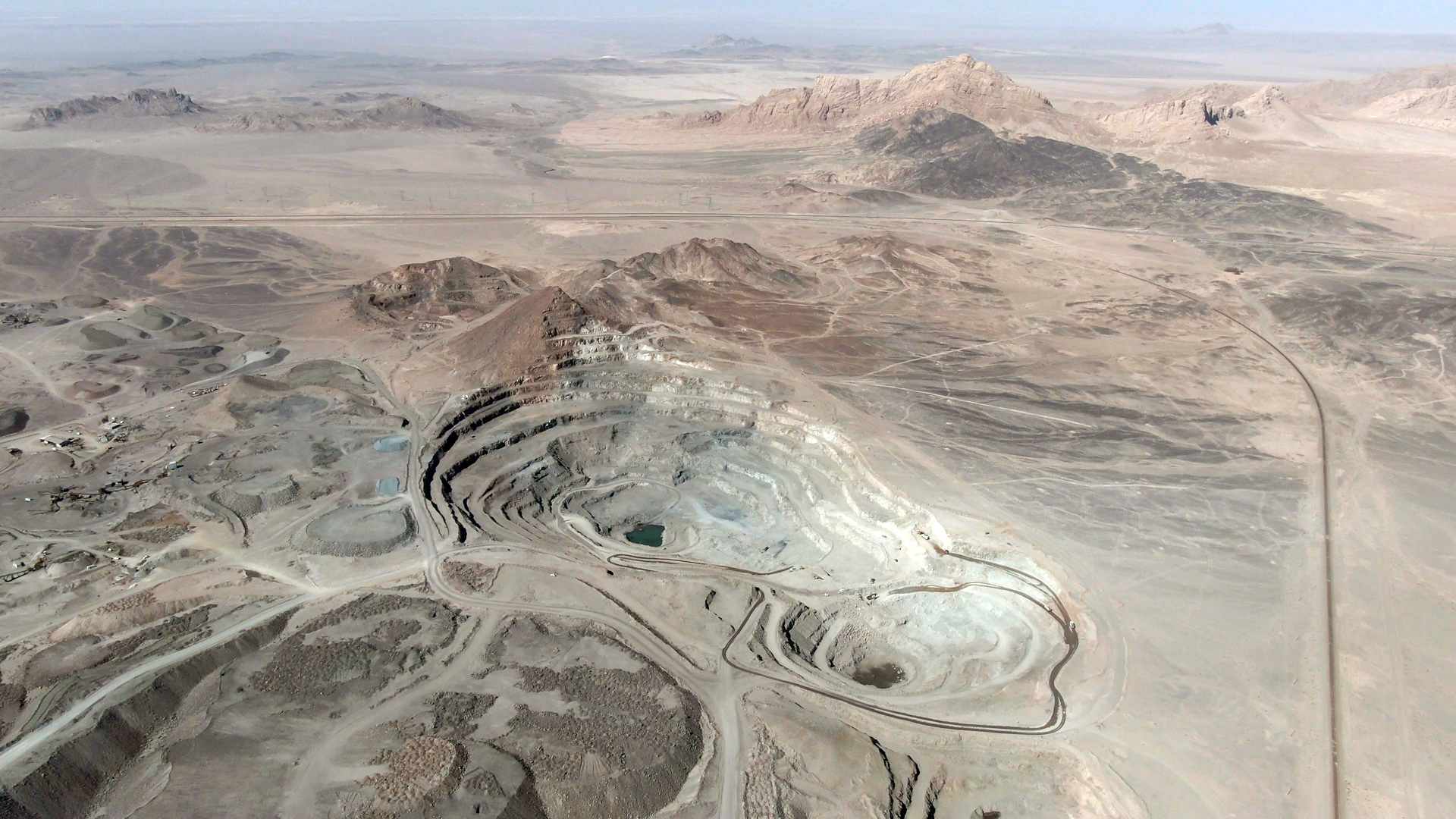
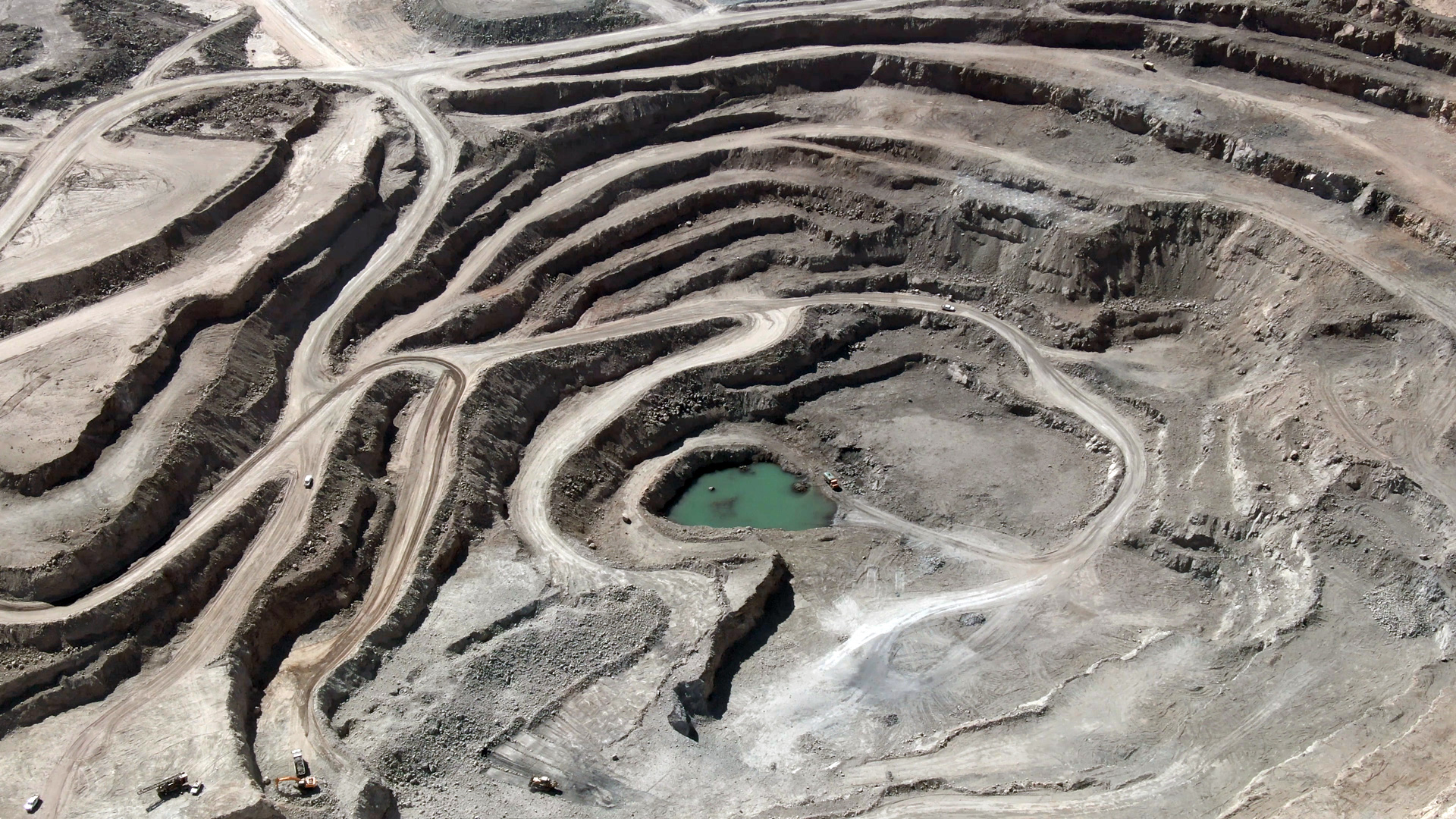
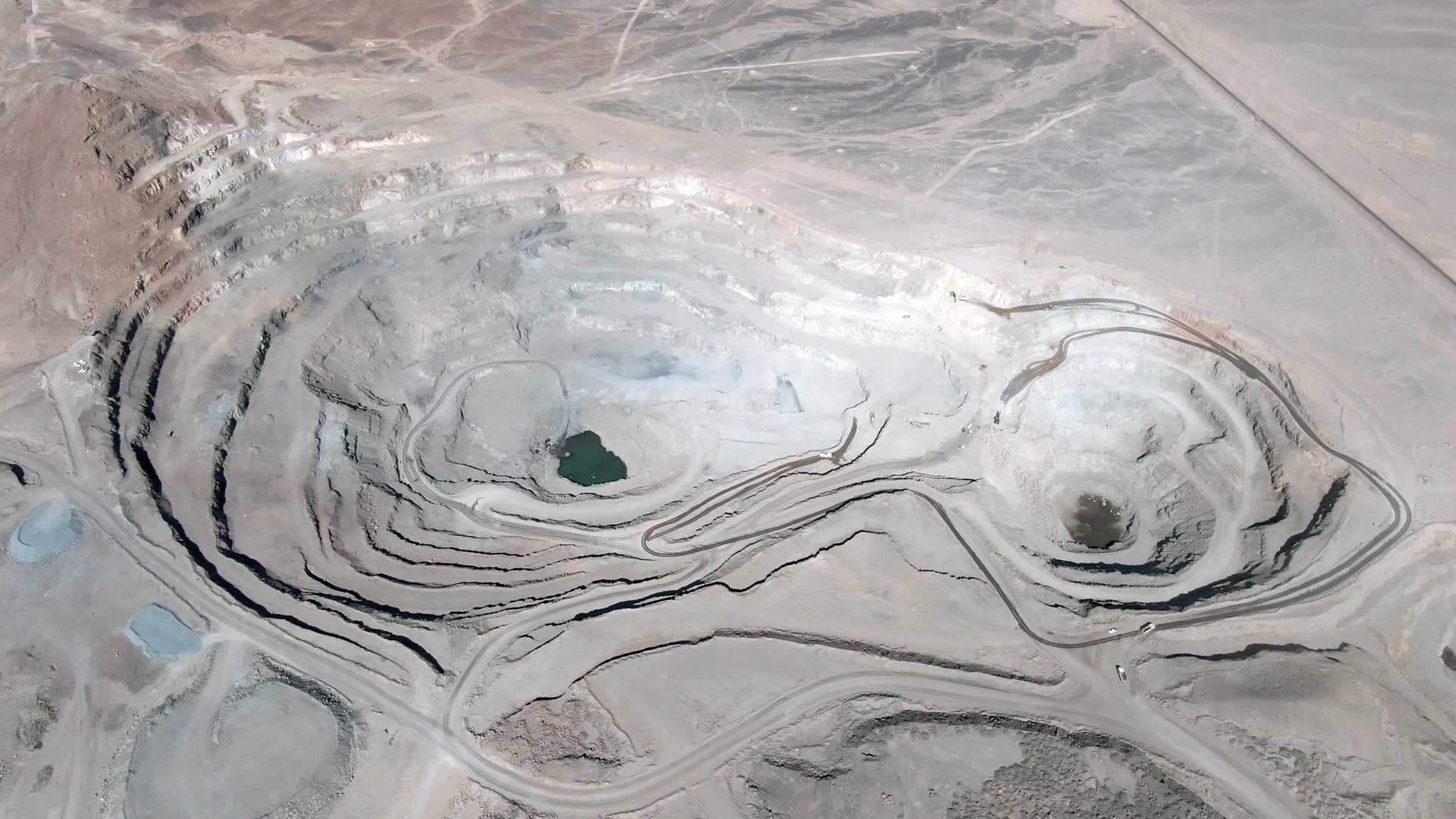
Based on geostatistical estimates, the reserve of the Mishdovan iron deposit in the initial extraction plan (Dey 1385 / January 2007) was estimated at a total of 11.754 million tons with an average iron grade of 49.34%, which, after optimizing the extraction limit and the final mine plan, could be extracted by open-pit method at 8.577 million tons with a stripping ratio of 2.88. Mining operations at this mine began in 1388 (2009) by the Iranian Mineral Production and Supply Company as the client.
The exploitation of this mine was transferred in 1397 (2018) to the Nozohour Kavir Bafq Mining Company. In the current extraction plan of this mine, out of 4.4 million tons of remaining reserve with an average grade of 41.05%, about 3.65 million tons of mineral substance with an average grade of 41.95% were planned to be extracted by the bench open-pit method over a 5-year plan. The extraction capacity of mineral substance at this mine is about 750 thousand tons per year, equal to the capacity of the crushing and beneficiation line.
Grade Ranges:
At the Mishdovan iron mine, iron grade ranges are classified as 10–20% as mineralized waste, 20–43% as medium-grade iron, and above 43% as high-grade ore.
Detailed Exploration:
Based on the studies carried out and the identification of iron trends at the Mishdovan mine, the detailed exploration project continues, and it is hoped that the definitive reserve of the Mishdovan mine will increase with the results of detailed exploration.